
Strong buildings and durable infrastructure depend on careful design, skilled work, and planned maintenance. Over time, concrete faces pressure from weather, traffic, moisture, and daily use. Engineers study these changes to protect strength and improve service life.
Real project work gives professionals clear evidence about how structures perform under stress. These observations help teams choose repair methods that fit each condition. The following article explains how structural work shapes better concrete repair decisions.
Lessons Learned from Field Observations
Structural work offers real examples that highlight how damage forms and spreads. Engineers inspect cracks, corrosion, and surface wear to determine the root cause before choosing a solution. These findings allow teams to address deeper issues rather than applying surface fixes that fail over time. Through recent structural engineering projects, professionals have discovered that early intervention prevents larger failures.
Careful inspection also reveals how moisture intrusion and chemical exposure weaken surfaces. As a result, repair plans now include protective layers and improved drainage systems. These methods ensure that restored areas perform better than before. They also help engineers create repair schedules that protect the structure without interrupting normal use more than necessary.
Material Behavior and Repair Selection
Each material reacts differently to stress, which means repair strategies must match specific conditions. Engineers study how temperature shifts, load changes, and environmental factors affect durability. This knowledge helps them select compatible repair compounds that bond effectively with existing surfaces.
They also consider long-term performance rather than short-term appearance. A proper repair method restores strength and maintains structural integrity. By focusing on compatibility and durability, engineers reduce the risk of recurring damage and extend the lifespan of the structure. This careful matching process also helps repair teams avoid material conflicts that could weaken the finished work.
Techniques That Improve Structural Strength
Field experience has led to the development of reliable restoration methods that strengthen weakened areas. Engineers now use targeted approaches based on the type and extent of damage.
- Surface patching for minor cracks and wear
- Injection methods to fill deep fractures and restore continuity
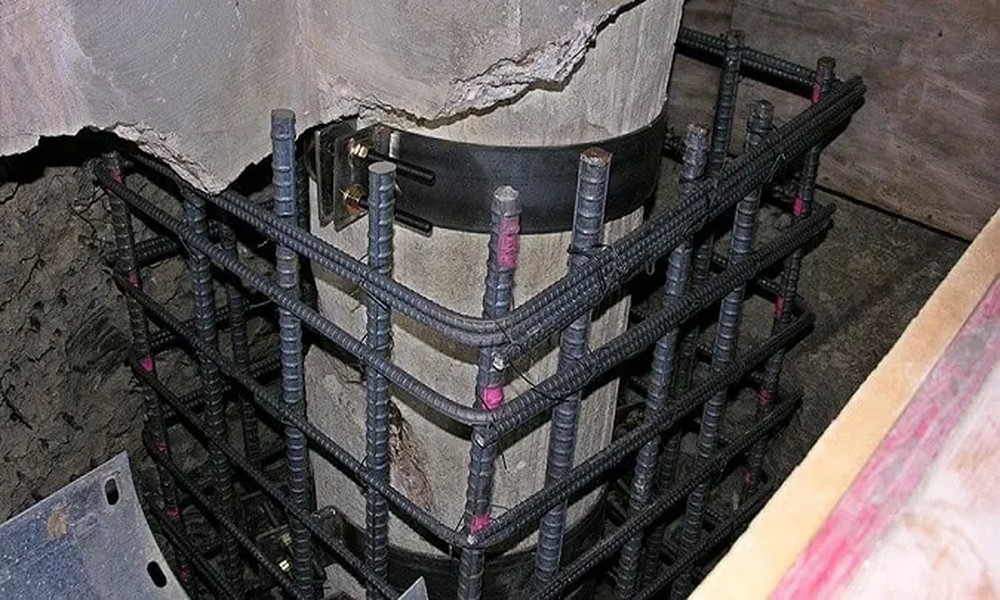
- Reinforcement with additional materials to increase load capacity
- Protective coatings to prevent moisture and chemical damage
- Structural overlays to enhance durability in high-stress zones
Each method serves a specific purpose, and engineers select them after thorough evaluation. This approach ensures that repairs address both visible and hidden issues.
The Importance of Inspection and Monitoring
Consistent inspection plays a key role in maintaining structural health. Engineers rely on detailed assessments to detect early signs of damage. These evaluations guide timely intervention and prevent further deterioration. Monitoring systems also provide valuable data on performance over time.
Sensors track movement, stress levels, and environmental conditions. This information helps engineers refine their strategies and improve future repair outcomes. Continuous observation ensures that restored areas remain stable and functional. It also gives owners useful records for planning maintenance budgets and future upgrades.
Future Insights from Ongoing Work
Ongoing developments in construction continue to shape repair methods. Engineers apply lessons learned from recent structural engineering projects to improve materials and techniques. These advancements focus on durability, efficiency, and long-term performance.
New approaches emphasize precision and adaptability. Engineers now tailor repair solutions to specific conditions rather than using generalized methods. This shift leads to better results and reduces the need for repeated interventions. As project data grows, repair planning becomes more accurate and better aligned with real site conditions.
Practical experience from construction work provides valuable knowledge that enhances repair strategies. Engineers rely on observation, testing, and innovation to improve restoration methods and maintain structural strength. As techniques continue to evolve, these insights will support safer and more durable infrastructure for years to come.