
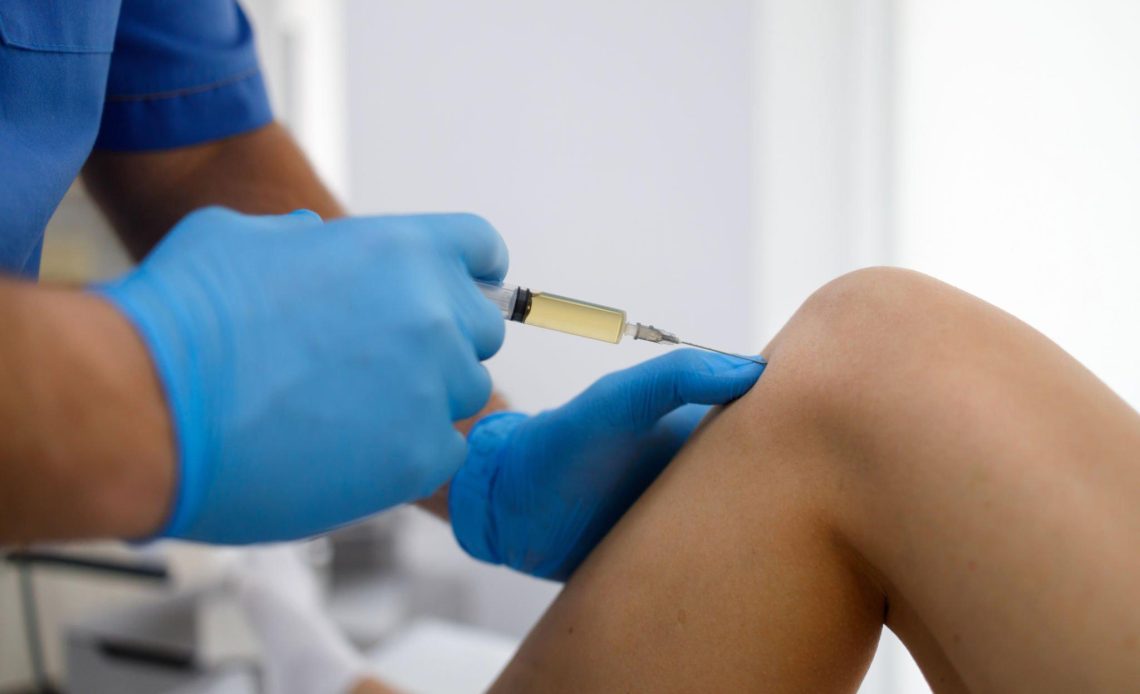
PRP injection therapy draws attention because it aims to support the body’s own repair response. Patients usually explore it when discomfort lingers or progress feels slow with basic care. Clear expectations help, since results depend on the condition, the plan, and follow-up habits.
A common first question is, “How does PRP work?”, because the process can sound technical at first. In simple terms, PRP uses a concentrated portion of your blood that contains useful growth factors. Clinicians apply it with a targeted injection plan designed for the affected area.
Joint Comfort and Mobility Support
Joint discomfort can limit daily movement, sleep quality, and confidence with exercise or work tasks. PRP is considered when joints feel stiff or sore after activity, even with consistent rest. The goal is to support tissue health and reduce flare-ups over time.
Patients describe improvement goals that relate to everyday function and simple movement choices. The priorities below reflect common targets discussed during consultations. These points help clarify what outcomes people aim to track.
- Reduced pain during stairs, squats, or longer walks
- Less stiffness after sitting, driving, or waking up
- Better range of motion for routine bending and lifting
- More consistent comfort during workouts and active hobbies
Tendon and Ligament Recovery Goals
Tendon and ligament pain can persist because these tissues have a limited blood supply. PRP may be used to support recovery when soreness returns after repeated strain. A plan may include rest phases and a gradual return to activity based on clinician guidance.
Patients also value PRP because it can fit alongside physical therapy and strength work. When rehab stays consistent, progress can feel steadier and more measurable. A structured schedule helps people track changes without guessing.
What Patients Want to Understand About the PRP Process
PRP begins with a blood draw, followed by centrifuge separation that concentrates platelets for targeted use. If you still ask, “How does PRP work?”, think of it as focusing helpful components into one precise treatment. The injection then delivers that concentration to tissue areas that need support.
Many patients appreciate that the process uses their own blood, which feels familiar and controlled. Clinicians still review risks, since soreness and swelling can occur after the injection visit. Clear aftercare steps support comfort and help protect the treated site.
Skin and Hair Improvement Interests
Some patients pursue PRP for aesthetic concerns tied to texture, tone, or early thinning. These goals relate to appearance, confidence, and a preference for minimally invasive options. The bullet points below show the outcomes patients commonly discuss.
- Smoother skin texture and a more refreshed look
- Improved tone that looks more even in daylight
- Support for hair density in early thinning areas
- Better scalp health with reduced dryness or irritation
Treatment Planning and Follow-Up Expectations
PRP is rarely a one-time decision, since the plan depends on response and clinician recommendations. Patients usually ask about session spacing, downtime, and how progress will be measured. A clear plan also explains when you may return to workouts, sports, or demanding work tasks.
Follow-up matters because early overuse can trigger irritation in the treated area. Patients who follow rest guidance and activity steps tend to feel more confident during recovery. A practical schedule helps people stay consistent without disrupting daily routines.
PRP injection therapy appeals to patients who want support for joint comfort, soft-tissue recovery, or cosmetic goals. The best outcomes come from clear expectations, careful technique, and reliable follow-up habits. A qualified provider can help match the treatment plan to your condition and timeline.