
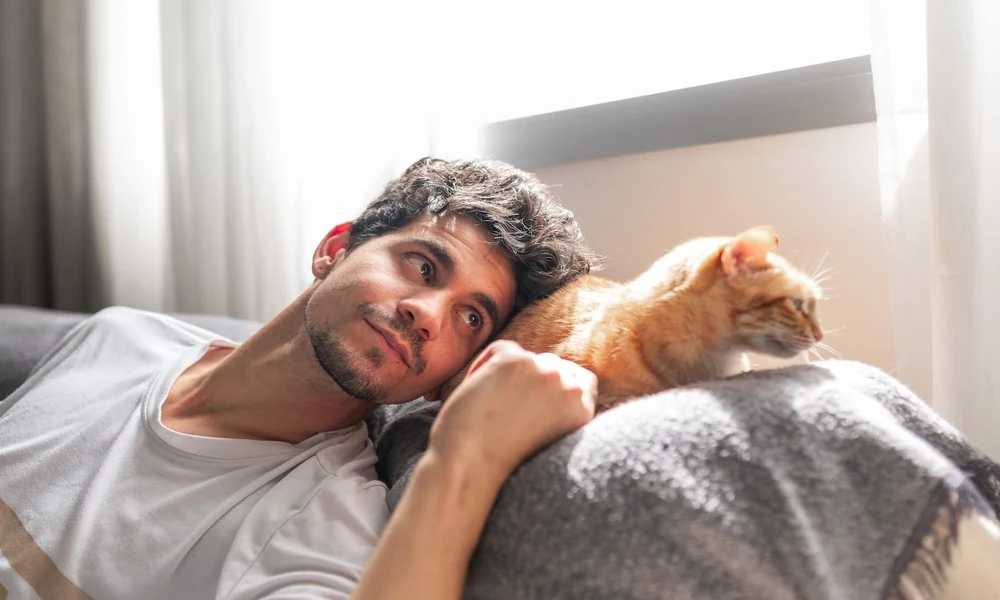
Your pet is home, the surgery is over, and you should feel relieved. Instead, you may be watching every step, checking every breath, and wondering if that small limp, that quiet mood, or that refusal to eat means something is wrong. Recovery after surgery can feel harder than the procedure itself because now the responsibility is sitting in your living room, on your lap, or behind a crate door that your pet does not want to stay in. If you need guidance during this stressful time, an animal hospital in Bartlett can help you understand what is normal and when to be concerned.
This is where post operative rehabilitation for pets becomes more than an add on. An animal hospital helps guide healing after surgery, protects the repair, manages pain, and reduces the chance of setbacks. Good rehab is not just exercise. It is a structured recovery plan that matches your pet’s procedure, age, pain level, mobility, and behavior.
Animal hospitals protect the healing process after surgery
After surgery, the body needs rest, but rest alone is rarely enough. Muscles weaken fast, joints stiffen, and pets often move in ways that protect sore areas while putting strain somewhere else. A dog recovering from knee surgery may shift weight to the other leg. A cat healing after a fracture repair may stop jumping, then lose confidence and strength. If nobody catches those patterns early, the pet can heal slowly or develop new problems.
An animal hospital watches for those changes and adjusts care before they grow. That can include pain control, incision checks, range of motion work, weight bearing support, laser therapy, mobility exercises, and clear limits on activity. Texas A&M Veterinary Medicine explains how pets need careful support after surgery, especially when owners are trying to balance confinement with comfort at home.
The hard part for many owners is that recovery rarely looks dramatic. It looks like short leash walks, strict crate rest, medication schedules, slow progress, and a pet that does not understand why normal life has stopped. That is exactly why veterinary oversight matters. Healing is often quiet until something goes wrong.
Post surgical care for animals reduces the risk of setbacks
One of the biggest mistakes after surgery is assuming that feeling better means being healed. Pets do this all the time. A dog may want to run long before repaired tissue is ready. A cat may leap onto furniture after a few decent days, then reopen stress on the surgical site. Owners are left feeling guilty because they were doing their best, but surgery recovery is full of these moments.
Animal hospitals help by setting realistic stages. Early recovery usually focuses on pain relief, swelling control, wound protection, and safe movement. Later phases add controlled strengthening, balance work, and gradual return to normal activity. Some pets also need nutrition guidance or weight management because extra weight places more force on healing joints and bones.
For orthopedic cases, the structure matters even more. Dogs recovering from cruciate ligament surgery often need weeks of controlled activity and follow up exams. Texas A&M outlines the basics of TPLO recovery, including why a dog may seem ready before the bone and soft tissues truly are. That gap between energy and actual healing is where many setbacks happen.
Pet surgery recovery support also helps owners who are stretched thin. Medication timing, bandage care, rehab appointments, flooring changes, lifting support, and home restrictions can affect work schedules and sleep. When an animal hospital gives you a plan that is specific and realistic, the whole household functions better.
Professional rehabilitation offers more than home rest alone
Some recovery tasks can be done at home, and many should be. Others are safer and more effective under veterinary supervision. The difference usually comes down to timing, technique, and observation. A simple home exercise can help one pet and aggravate another if started too early or done the wrong way.
| Recovery Need | Home Care Alone | Animal Hospital Rehabilitation |
|---|---|---|
| Pain monitoring | Based on visible signs, may miss subtle discomfort | Uses exams and response patterns to adjust treatment |
| Activity control | Can be hard if a pet seems energetic | Structured restrictions with staged progress checks |
| Mobility exercises | Risk of overdoing or poor technique | Matched to surgery type, healing stage, and tolerance |
| Complication detection | Often noticed only after symptoms worsen | Early identification of swelling, gait changes, or incision issues |
| Return to normal function | May be slower or incomplete | Targets strength, balance, confidence, and safe movement |
For many dogs, formal rehab can include guided exercises, underwater treadmill work, stretching, and muscle building. Texas A&M describes how physical rehabilitation for dogs supports pain control and function after injury or surgery. The same principle applies across many species and procedures. The goal is not to rush recovery. The goal is to recover well.
Small daily choices shape animal hospital recovery outcomes
Follow the restriction plan exactly. If your pet is supposed to have leash walks only, that means no stairs, no couch jumps, no rough play, and no quick trips into the yard without control. A single burst of activity can undo weeks of healing.
Track what changes from day to day. Watch appetite, bathroom habits, sleep, energy, incision appearance, and how your pet gets up, lies down, and bears weight. You do not need medical language. You just need consistent notes. Small changes are easier for a veterinary team to interpret when you can describe when they started.
Ask for a rehab plan, not just discharge instructions. Basic instructions cover medication and incision care. A rehab plan goes further. It gives you movement limits, exercise timing, follow up expectations, pain checkpoints, and signs that mean your pet should be seen sooner. That level of guidance is where an animal hospital becomes a recovery partner, not just the place where surgery happened.
Steady support helps pets heal with less stress
Recovery can be messy, tiring, and slower than you hoped. That does not mean you are failing your pet. It usually means healing is doing what healing does, inch by inch, with a lot of supervision and patience. The role of animal hospitals in post surgical rehabilitation is to make that process safer, clearer, and more complete, so your pet has the best chance to regain comfort and function.
If your pet is facing surgery or already recovering, ask your animal hospital for a rehabilitation plan built around the procedure and your pet’s daily reality.