
People usually discuss the success of a hospitality venue in terms of the quality of food, service and location. These are all important, but many guests’ experiences hinge on details that are much less talked about.
There are a number of little details that can make a big difference in how comfortable the customers are, how long they spend there, and whether or not they return. These details can be subliminal and will often go unnoticed by a guest. They just walk away with a good opinion of the place.
For hospitality businesses, making these seemingly insignificant choices can make a significant impact.
Sitting comforts the entire group.
The furniture is among the initial touchpoints that guests come into contact with.
Soothing and convenient seating enables customers get to the point of comfort in a brief time period. Sitting places feel unstable, tables wobble, and seating is cramped will be noticed by guests. Unfortunately these experiences can impact on their view of the whole venue.
There are also different moods that are created by different seating styles. Casual seating is useful for informal socialising, and formal seating can foster formal dining.
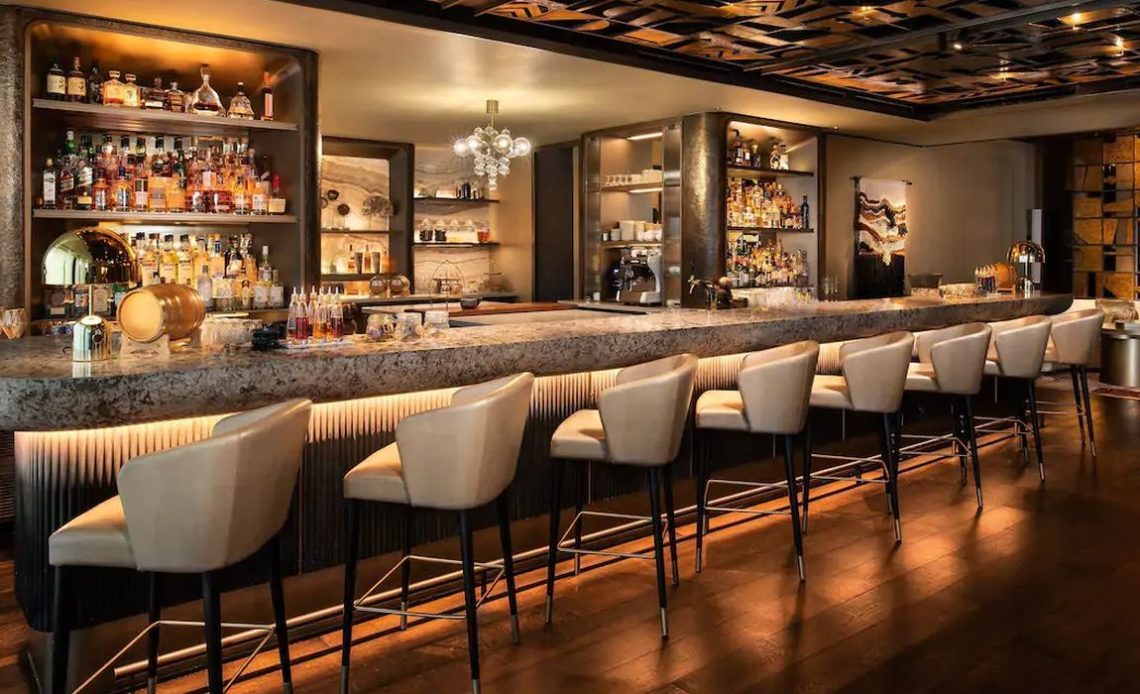
The furniture chosen by many venue owners is carefully chosen to reflect their brand and the expectations of their customers. Bars, lounge areas, and spaces that aim to foster a sense of community and engagement often opt for bar tables from the Cafe Furniture Company.
Items of furniture, by themselves, don’t necessarily attract repeat customers, but they can certainly make for a memorable visit.
The comfort of the table is affected by its placement.
Many people don’t know how important the location of tables is in a venue.
Most guests prefer to have enough personal space to have good conversations and meals. If you place the tables close together, the venue may appear attractive to the customers but will make them feel crowded.
Meanwhile, significant spaces between tables could leave a space that feels empty or unenergized.
By getting the balance right, customers can feel at ease and also have the hospitality venue’s social appeal.
Good planning of the floor can also facilitate staff circulation and service is quicker and more efficient.
Light makes an entire difference.
A light-colored room will have a fresh and open and energetic feel. A softer light can help to create a more relaxed and intimate atmosphere. This will depend on the kind of venue and kind of experience it wants to offer.
Natural light is particularly beneficial. Those spaces which take advantage of daylight are more welcoming during the day.
Successful venues often use natural and artificial light in a harmonious way and with planning to ensure consistency throughout the day.
Simple changes in lighting will change the atmosphere of a space, no matter how small.
Reduce noise to enhance conversations.
It’s nice to have a good amount of energy in the room, though there’s a limit to loudness.
Guest would like to have a chat without holding their breath to make out what the other person is saying. Poor acoustic properties and large open spaces, with hard surfaces, can result in echoes that make a venue sound louder than it actually is.
Minimizing design can help in the management of this. There are a number of ways to help make a space more comfortable to sound: upholstered seating, wall treatments, rugs and strategically placed furniture can all help.
If the customer can speak comfortably, then they are going to enjoy their visit and stay longer.