
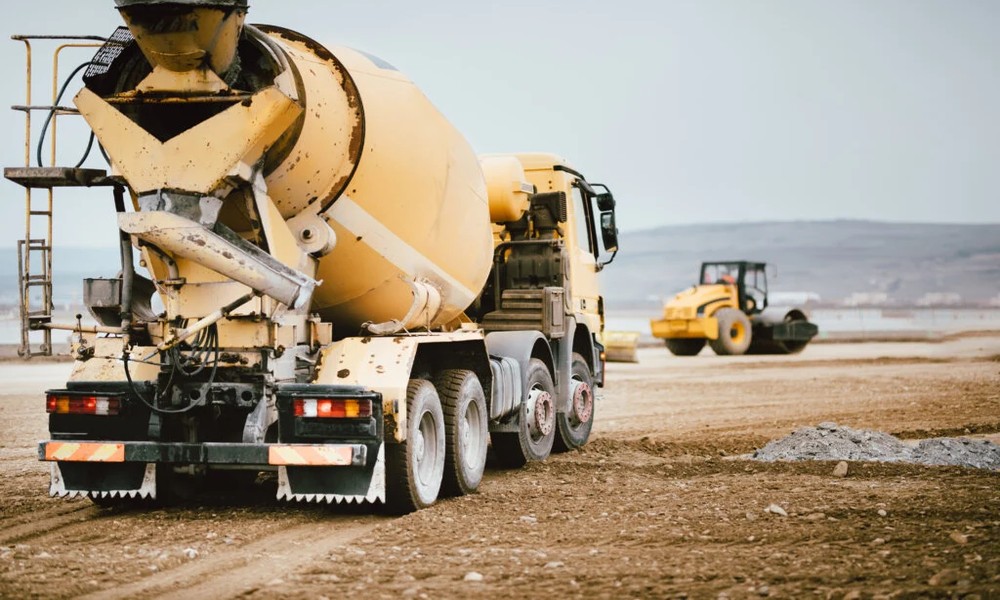
In modern construction, the stability of the ground is the foundation of every successful project. Whether building highways, bridges, high-rise structures, or industrial facilities, ensuring strong and reliable soil conditions is critical. Traditional ground improvement methods often involve extensive excavation, replacement, or chemical treatment, which can be time-consuming and costly.
Today, soil cement mixer are revolutionizing ground stabilization by offering a faster, more efficient, and sustainable solution. By blending soil with cement directly on-site, these machines create stronger, more stable foundations while minimizing environmental impact.
What Are Soil Cement Mixers?
Soil cement mixers are specialized machines designed to combine in-situ soil with cement and water to form a stabilized material known as soil-cement. This process improves the engineering properties of the soil, increasing its strength, durability, and load-bearing capacity.
These mixers can be used in various forms, including deep soil mixing equipment, rotary mixers, and mobile mixing units. Depending on the project requirements, they can operate at different depths and scales.
Why Ground Stabilization Is Essential
Unstable or weak soil can lead to serious structural issues, including settlement, cracking, and even failure. Ground stabilization ensures that the soil can support the loads imposed by structures and infrastructure.
Effective stabilization improves load distribution and reduces settlement.
It enhances durability and resistance to environmental factors.
It allows construction on previously unsuitable ground conditions.
By improving soil properties, projects can achieve better performance and longevity.
How Soil Cement Mixers Work
The process of soil cement mixing involves several key steps.
First, the mixer penetrates the ground to the required depth.
Cement and water are then introduced into the soil.
The mixing blades rotate to blend the materials thoroughly, creating a uniform soil-cement mixture.
The treated soil is left to cure, forming a मजबूत and stable structure.
This in-situ process eliminates the need for large-scale excavation and material transport.
Key Benefits of Soil Cement Mixers
Improved Strength and Stability
The addition of cement significantly increases the strength and load-bearing capacity of the soil, making it suitable for heavy construction.
Cost Efficiency
By using existing soil, these mixers reduce the need for imported materials and disposal of excavated soil, lowering overall project costs.
Faster Construction
On-site mixing reduces construction time compared to traditional methods, helping projects stay on schedule.
Environmental Sustainability
Minimizing excavation and material transport reduces carbon emissions and environmental impact.
Versatility
Soil cement mixers can be used in a wide range of applications, from road construction to foundation support and slope stabilization.
Applications in Construction Projects
Soil cement mixers are widely used across various sectors.
In road construction, they create stable subgrades and base layers.
In foundation work, they improve soil conditions for buildings and infrastructure.
In slope stabilization, they prevent erosion and landslides.
In marine and coastal projects, they strengthen soft or reclaimed soils.
Their adaptability makes them an essential tool in modern construction.
Best Practices for Effective Soil Cement Mixing
Conduct thorough soil testing to determine the appropriate mix design.
Use the correct proportion of cement and water for optimal results.
Ensure uniform mixing to achieve consistent strength.
Monitor curing conditions to maximize performance.
Regularly maintain equipment to ensure efficiency and reliability.
Common Challenges and Solutions
Inconsistent mixing can lead to weak zones. Proper equipment calibration and operation can prevent this.
Incorrect mix design may result in insufficient strength. Testing and adjustments are essential.
Equipment wear can affect performance. Regular maintenance helps maintain efficiency.
Environmental factors such as moisture content can influence results. Proper planning and monitoring are required.
Conclusion
Soil cement mixers are transforming the way ground stabilization is approached in construction projects. By combining efficiency, cost savings, and sustainability, they provide a powerful solution for improving soil conditions and ensuring long-term structural stability.
As construction demands continue to grow, adopting advanced technologies like soil cement mixers will be key to building stronger, safer, and more sustainable infrastructure. For engineers and contractors, understanding and utilizing this innovative approach can significantly enhance project outcomes and performance.