
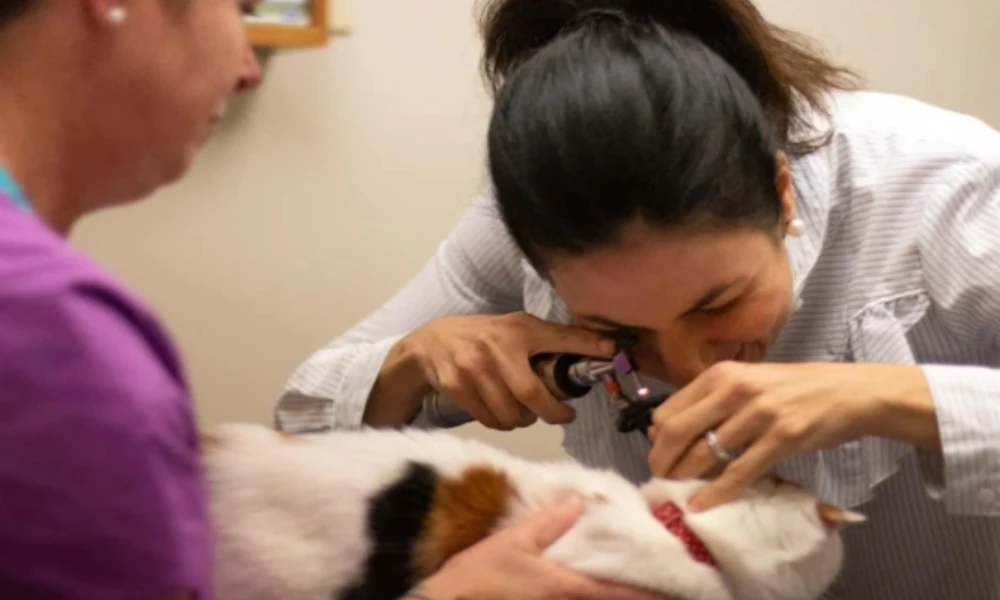
You notice the small changes first. Your cat drinks more water and loses weight. Your dog slows down on walks, then starts skipping meals, then has a day that feels almost normal, which somehow makes the hard days more confusing. Chronic illness in pets rarely arrives in one clean moment. It settles into your routine, your budget, your sleep, and your thoughts, leading many families to seek support from an animal hospital in Humble, TX.
That strain is real. You are trying to balance love, cost, time, medication schedules, and the fear of missing something serious. An animal clinic helps by turning that uncertainty into a plan. Ongoing care for long term pet illness is not just about prescriptions. It is regular exams, lab work, pain control, diet changes, monitoring at home, and honest conversations about what your pet needs now and what may change later.
Animal clinics bring structure to chronic pet care
Pets with diabetes, arthritis, kidney disease, heart disease, allergies, thyroid problems, or cancer need more than a one time visit. Symptoms shift. Medications need adjusting. Side effects can look a lot like the illness itself, which leaves you wondering whether the treatment is helping or making things harder. A good animal clinic tracks those patterns over time and helps you respond before a bad week turns into an emergency.
This matters because chronic conditions often hide in plain sight. A dog with arthritis may seem lazy when the real problem is pain. A cat with chronic kidney disease may still greet you at the door, even while dehydration and nausea are building. Cornell’s feline health center explains how chronic kidney disease in cats often requires long term monitoring, nutrition support, and symptom management rather than a quick fix.
That is where How Animal Clinics Help Pets With Chronic Conditions becomes practical, not abstract. The clinic creates a baseline with bloodwork, imaging, weight checks, and physical exams. Once your veterinary team knows what is normal for your pet, they can spot trends earlier. Earlier action often means better comfort and fewer crises.
Long term pet illness affects daily life at home
The medical side is only part of it. Chronic illness changes the rhythm of your day. You may be giving pills before work, checking litter box output, watching for coughing at night, or trying to get a picky pet to eat a prescription diet. If you have ever stood in the kitchen holding a tablet and wondering how this became your evening, you are not alone.
Animal clinics support that home care in ways people often do not expect. They teach you how to give medication safely, what side effects deserve a call, how to track appetite and energy, and when a symptom can wait for the next appointment versus when it needs urgent care. The FDA offers a helpful guide on questions to ask your vet about your pet’s medications, which can make those conversations clearer and less stressful.
Financial pressure is part of the picture too. A chronic condition can mean repeat visits, lab rechecks, special food, and medication refills. Clinics help when they map out expected care instead of leaving you to react one bill at a time. That does not make treatment cheap, but it does make decisions more informed. You can weigh what improves comfort, what extends quality time, and what is not giving enough benefit.
Veterinary care for chronic conditions helps pets with changing needs
Chronic disease is rarely static. A medication that worked six months ago may need a new dose. A pet with cancer may need pain relief, appetite support, and careful monitoring even if surgery or chemotherapy is not the path you choose. The FDA’s overview of what to know when your dog has cancer shows how treatment decisions often depend on type of cancer, stage, age, and quality of life goals.
This is why veterinary care for chronic conditions works best as a relationship, not a single event. The clinic does not just treat disease. It helps you judge comfort. Is your pet still eating with interest, resting well, moving without distress, and enjoying familiar routines. Those answers guide the next step better than panic or guesswork ever will.
Home monitoring and clinic support work better together
Home care matters, but it has limits. You know your pet’s habits better than anyone. You can catch changes in thirst, mobility, appetite, sleep, or mood early. The clinic adds medical testing and trained interpretation. One without the other can miss the full picture.
| Approach | What It Helps With | Limits |
|---|---|---|
| Home monitoring only | Tracks daily changes in eating, drinking, energy, pain, and bathroom habits | Cannot confirm organ function, blood sugar, infection, anemia, or medication response |
| Animal clinic visits only | Provides exams, lab work, imaging, diagnosis, and treatment changes | Misses day to day patterns that happen between appointments |
| Animal clinic care plus home tracking | Gives a fuller view of symptoms, trends, and treatment response | Requires consistency, follow up, and clear communication |
The strongest care plans combine both. A short note on water intake, appetite, vomiting, stool, mobility, and mood can give your vet useful detail fast. That can lead to quicker medication changes and fewer avoidable setbacks.
Three steps you can take right now
Start a symptom log. Write down appetite, water intake, bathroom habits, weight if you can track it safely, energy, pain signs, and any new behavior. Bring it to every visit. Patterns matter more than one rough day.
Review every medication and food item. Ask what each one does, when to give it, what side effects to watch for, and what should never be combined. Include supplements and treats. Small details can affect chronic disease management more than most people realize.
Set the next check in before you leave the clinic. Chronic illness care falls apart when follow up becomes vague. A recheck date, planned lab work, and clear thresholds for calling the clinic give you a path instead of leaving you to guess.
Steady care gives you and your pet more good days
Chronic illness changes life with a pet, but it does not erase comfort, connection, or routine. With the right support, many pets still enjoy long stretches of steady, meaningful time at home. The goal is not perfection. It is fewer surprises, better symptom control, and decisions made with clarity.
If your pet is showing signs of a lasting health problem, schedule an appointment with an animal clinic and start building a plan that fits your pet’s needs and your daily life.