
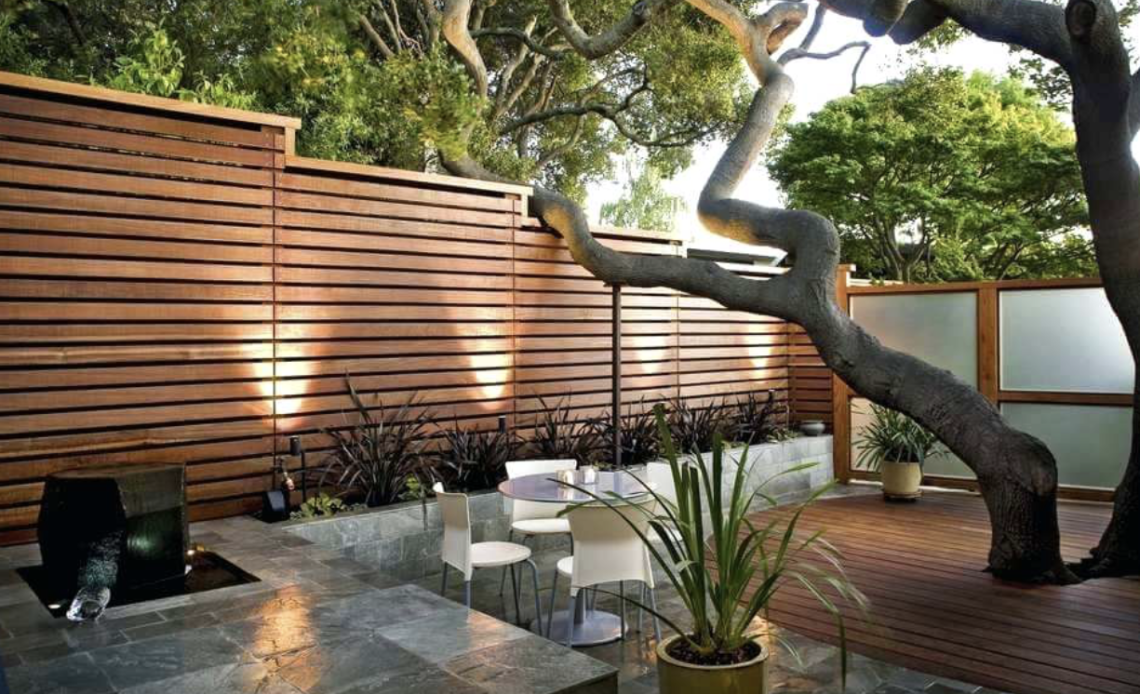
Fencing plays a vital role in defining outdoor spaces, enhancing security, and elevating the aesthetic appeal of residential and commercial properties. When planning a fencing project, one of the most critical decisions is selecting the right materials. The choice of materials directly impacts durability, maintenance, cost, and visual appeal. Whether a homeowner is aiming for privacy, safety, or a decorative touch, understanding material options is essential for successful fencing design and installation. Proper planning and material selection ensure that the investment not only looks great but also stands the test of time.
Popular Materials for Fencing Design and Installation
Fencing design and installation projects can utilize a variety of materials, each offering unique benefits and challenges. Wood is one of the most traditional options, known for its natural beauty and versatility. Wooden fences can be customized with different styles, heights, and finishes, making them suitable for both privacy and decorative purposes. Cedar, pine, and redwood are common choices due to their strength and resistance to decay. Regular maintenance, such as staining or sealing, is necessary to prolong the lifespan of wooden fences.
Vinyl has become increasingly popular for fencing design and installation due to its low maintenance requirements and durability. Vinyl fences resist rot, insects, and weather damage, making them ideal for long-term use. They are available in various styles and colors, mimicking the appearance of wood without the upkeep. For homeowners seeking a clean, modern look combined with minimal maintenance, vinyl is an excellent choice.
Metal fences, including aluminum, wrought iron, and steel, provide strength and security while offering elegant design possibilities. Aluminum fences are lightweight and corrosion-resistant, while wrought iron adds classic charm and unmatched sturdiness. Steel fences, particularly those with powder-coated finishes, provide a combination of durability and style. Metal fencing is often favored for high-security areas or properties that require a strong, long-lasting barrier.
Composite fencing combines materials like wood fibers and recycled plastics, offering the appearance of wood with enhanced durability. Composite fences are resistant to weathering, insects, and warping, making them a practical choice for areas with varying climates. They also provide a sustainable option for environmentally conscious property owners.
Chain-link fencing is another option, particularly for commercial or utilitarian purposes. While less decorative than wood or vinyl, chain-link fences are cost-effective, durable, and easy to install. They are commonly used for securing yards, playgrounds, or industrial sites, offering visibility without sacrificing protection.
Factors to Consider When Selecting Materials
When choosing materials for a fencing design and installation project, several factors should guide the decision-making process. The primary consideration is the purpose of the fence. For privacy, taller wooden or vinyl fences may be ideal. For security, metal fences or reinforced composite options provide strength and visibility. Decorative purposes may call for a combination of style and material that complements the surrounding landscape.
Climate and environmental conditions also influence material choice. Areas with high humidity or heavy rainfall may benefit from materials resistant to moisture, such as vinyl, metal, or treated wood. Regions prone to extreme heat or cold require materials that can withstand temperature fluctuations without warping, cracking, or fading.
Budget is another important consideration. Wooden fences may have a lower initial cost but require ongoing maintenance. Vinyl and composite fences often involve higher upfront costs but offer minimal upkeep and longer lifespans. Metal fences vary in price depending on the type and design complexity but generally provide excellent durability. Balancing initial investment with long-term maintenance costs is essential for informed decision-making.
Aesthetic appeal should not be overlooked in fencing design and installation. The chosen materials should complement the architectural style of the property, the landscaping, and the overall ambiance of the outdoor space. Homeowners can mix materials, such as combining metal and wood or adding decorative panels to vinyl fences, to create a unique look.
Maintenance requirements are also a key factor. Property owners who prefer minimal upkeep may lean toward vinyl, composite, or metal options, while those who enjoy staining, painting, or customizing wood fences may embrace traditional wooden materials. Understanding the long-term responsibilities associated with each material ensures that the fence remains attractive and functional over time.
Matching Materials to Fencing Styles
Different fencing styles pair best with specific materials, making material selection integral to the overall design. Privacy fences often utilize solid wood panels, vinyl, or composite boards to create a visual barrier and limit outside visibility. These materials allow for tall, continuous fencing that enhances both security and seclusion.
Picket fences are a classic choice for decorative purposes, typically crafted from wood or vinyl. They provide a charming, traditional appearance while delineating property boundaries. Vinyl picket fences are particularly appealing for their durability and ease of maintenance.
Metal fences, including wrought iron and aluminum, work well for ornamental or high-security fencing. These materials can be crafted into intricate designs, offering elegance without compromising strength. Steel fences, especially those with powder-coated finishes, are ideal for modern, industrial, or commercial applications.
Semi-private or decorative fencing may incorporate lattice panels, composite materials, or mixed designs that combine metal and wood. These options balance style, partial privacy, and durability, adding visual interest to gardens, patios, or front yards.
Working with Professionals for Fencing Design and Installation
Selecting the right materials is only part of the process; professional guidance is essential for successful fencing design and installation. Experienced contractors assess the property, recommend suitable materials, and ensure proper installation techniques are followed. Professional installation ensures that posts are properly anchored, panels are level, and gates operate smoothly.
Working with fencing experts also guarantees compliance with local regulations and property line requirements. Professionals are familiar with permitting processes and zoning restrictions, preventing potential legal issues or costly mistakes. Additionally, contractors can advise on maintenance tips, warranties, and material upgrades, ensuring the fence remains durable and attractive for years to come.
A well-executed fencing design and installation project enhances property value, security, and curb appeal. Whether the goal is privacy, safety, or aesthetic enhancement, choosing the right materials and hiring skilled professionals ensures that the investment delivers long-term benefits.